Pozolico
Pozolico
Pozolico
Environment - Pozolico
Discover...
Urueña, THE VILLAGE OF BOOKS

Environment

Urueña and its surroundings

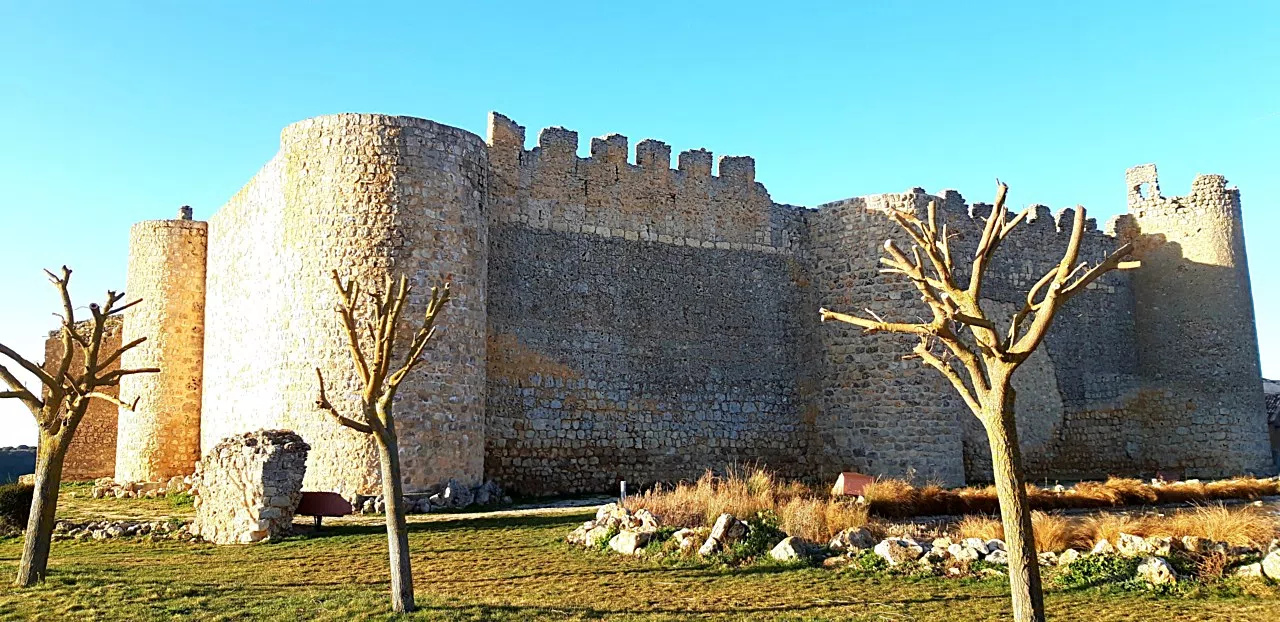
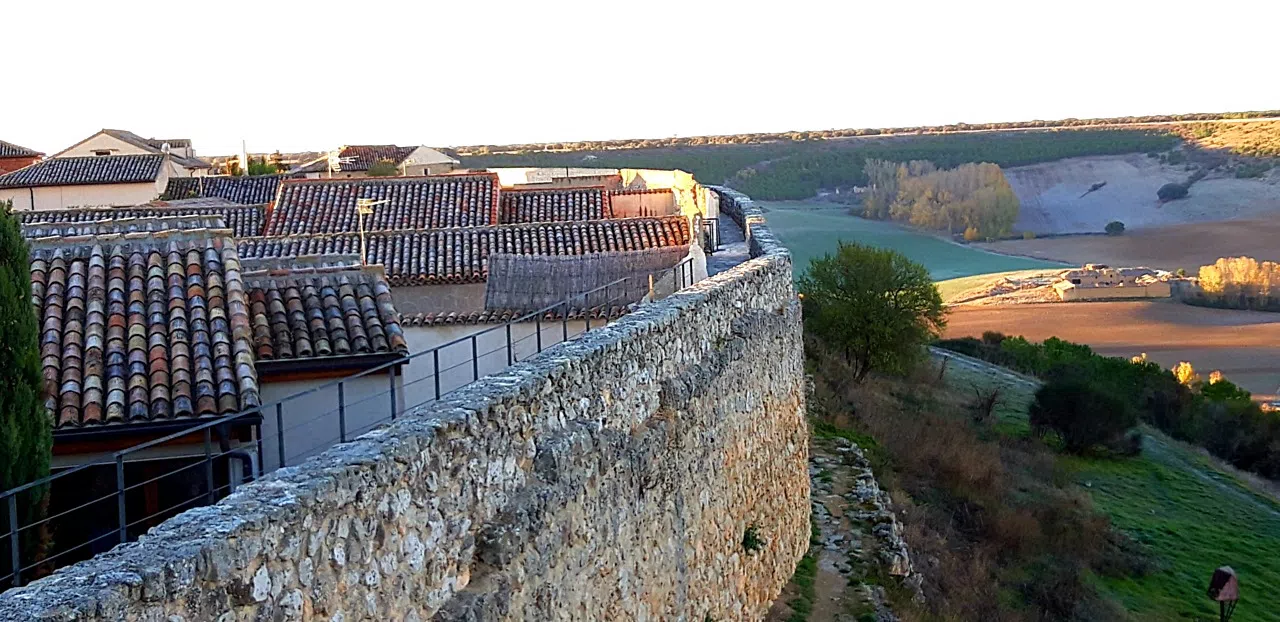
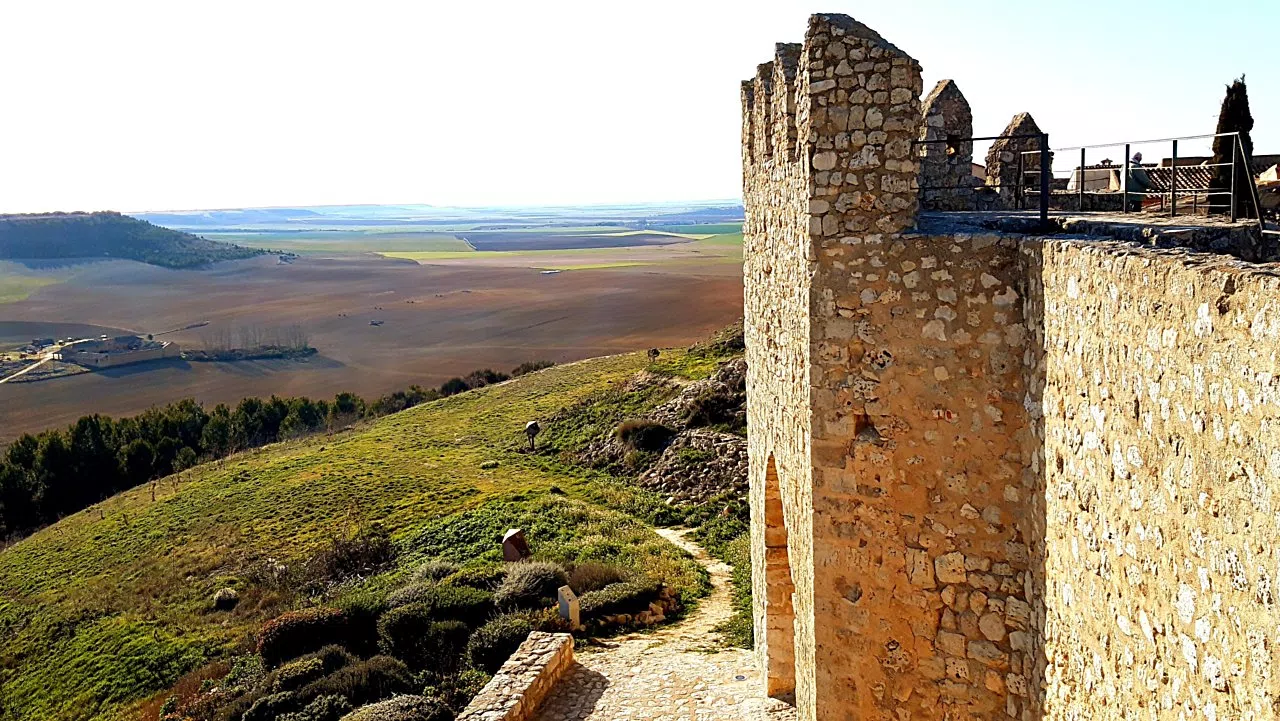
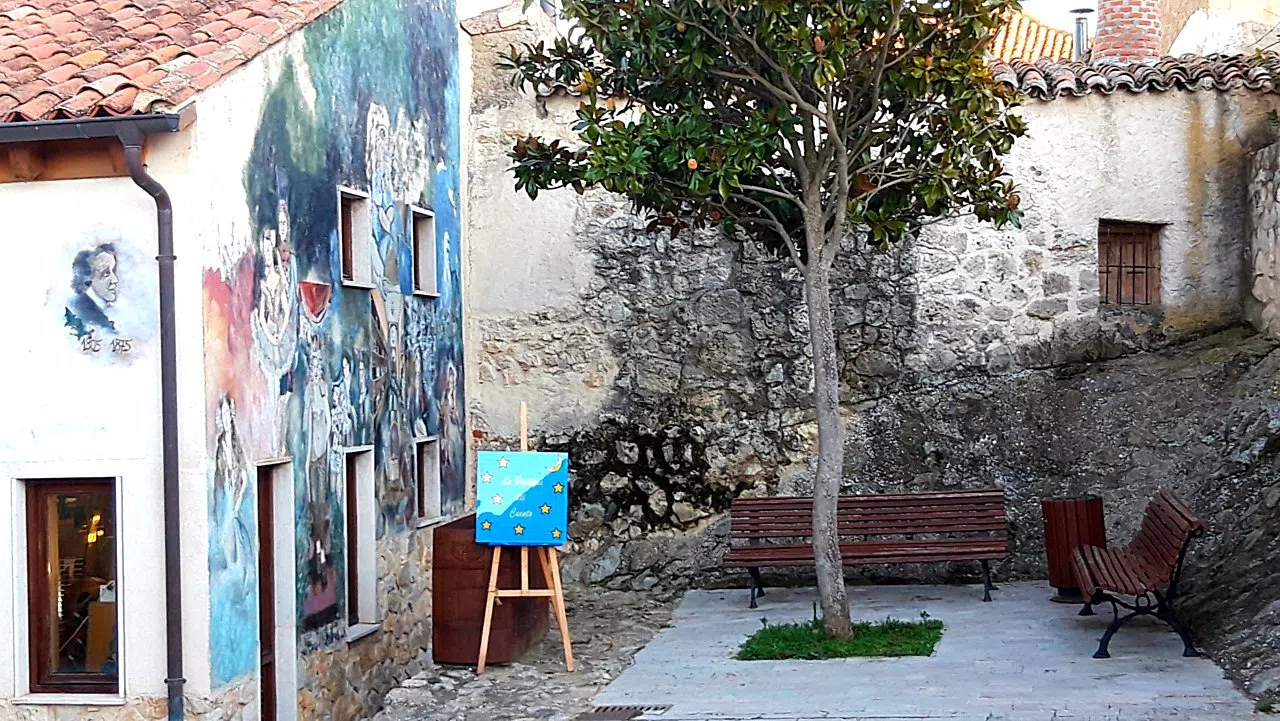
Urueña is one of the best viewpoints over this part of the Tierra de Campos in Castile and León. Its privileged location on the edge of one of the large plateaus that mark the boundary of the Montes Torozos with the Tierra de Campos contributes to this. In its municipal area, archaeological remains from the pre-Roman and Roman periods have been found, such as numerous coins with the effigy of Pompey and tombs. But Urueña is more than that, as its urban center (declared a Historic-Artistic Site) is enclosed within one of the most genuine and best-preserved walled enclosures of these ancient medieval towns. Its origin dates back to the reign of Sancho III when the repopulation of these territories began. One of the most striking views of Urueña is located at one of the gates of its wall, known as the Puerta de la Villa, where through it, we can see the landscape featuring the image of the Hermitage of La Anunciada, the only complete example of Lombard Romanesque in Castile.

In the last 40 years, an intense cultural life has been added to all this, with the Joaquin Diaz Foundation, the Luis Delgado Music Museum, and the Villa del Libro as its main exponents.
Pozolico
01

Romanesque Hermitage of Our Lady of the Annunciation

The temple is a jewel of Lombard Romanesque from the 12th century, the only complete example of this architectural style in Castilla y León, built with ashlar masonry featuring blind arches and Lombard bands.

It consists of three naves on cruciform pillars and barrel vaults, with a transept and a dome that houses an octagonal dome on squinches. The apse is completed with three beautiful semicircular apses, the central one being larger. In the 18th century, a Baroque dressing room with a quadrangular plan was added to the main apse, and later a portico at the foot, which was removed in the last restoration in 1992.

Inside, the image of Our Lady of the Annunciation, a late Romanesque figure from the second half of the 13th century, currently dressed, is venerated. Her feast and pilgrimage take place on March 25th.

Also noteworthy is its ample voluminosity, considering it is a hermitage.
Pozolico
02

VILLA DEL LIBRO

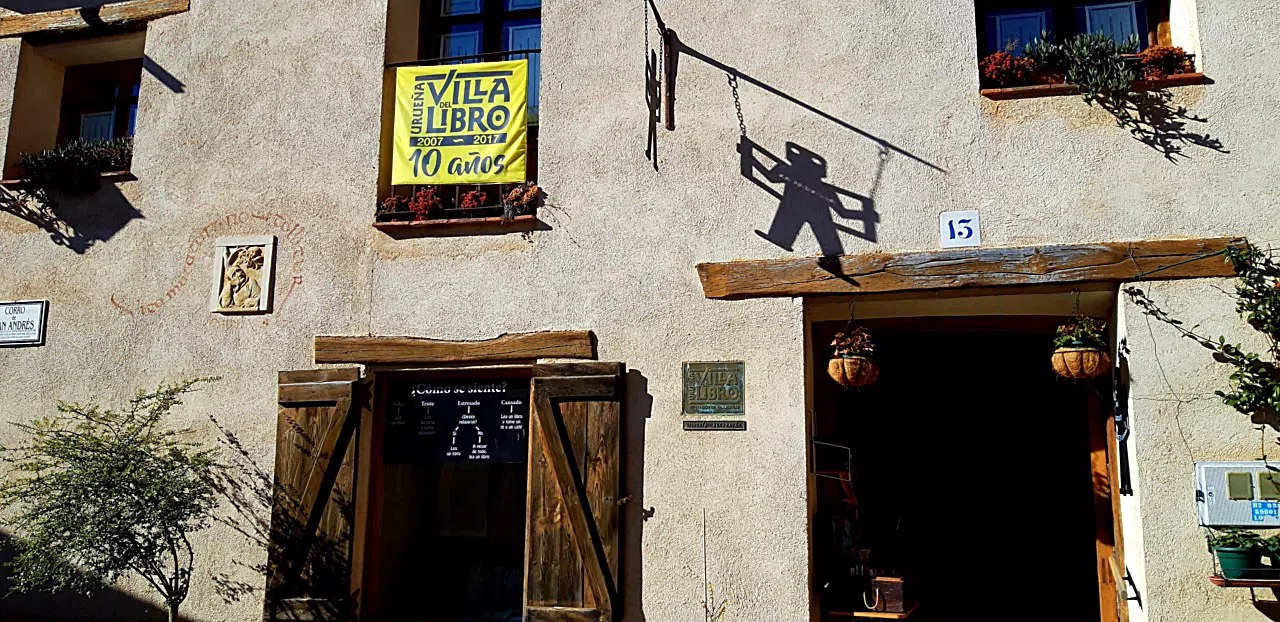
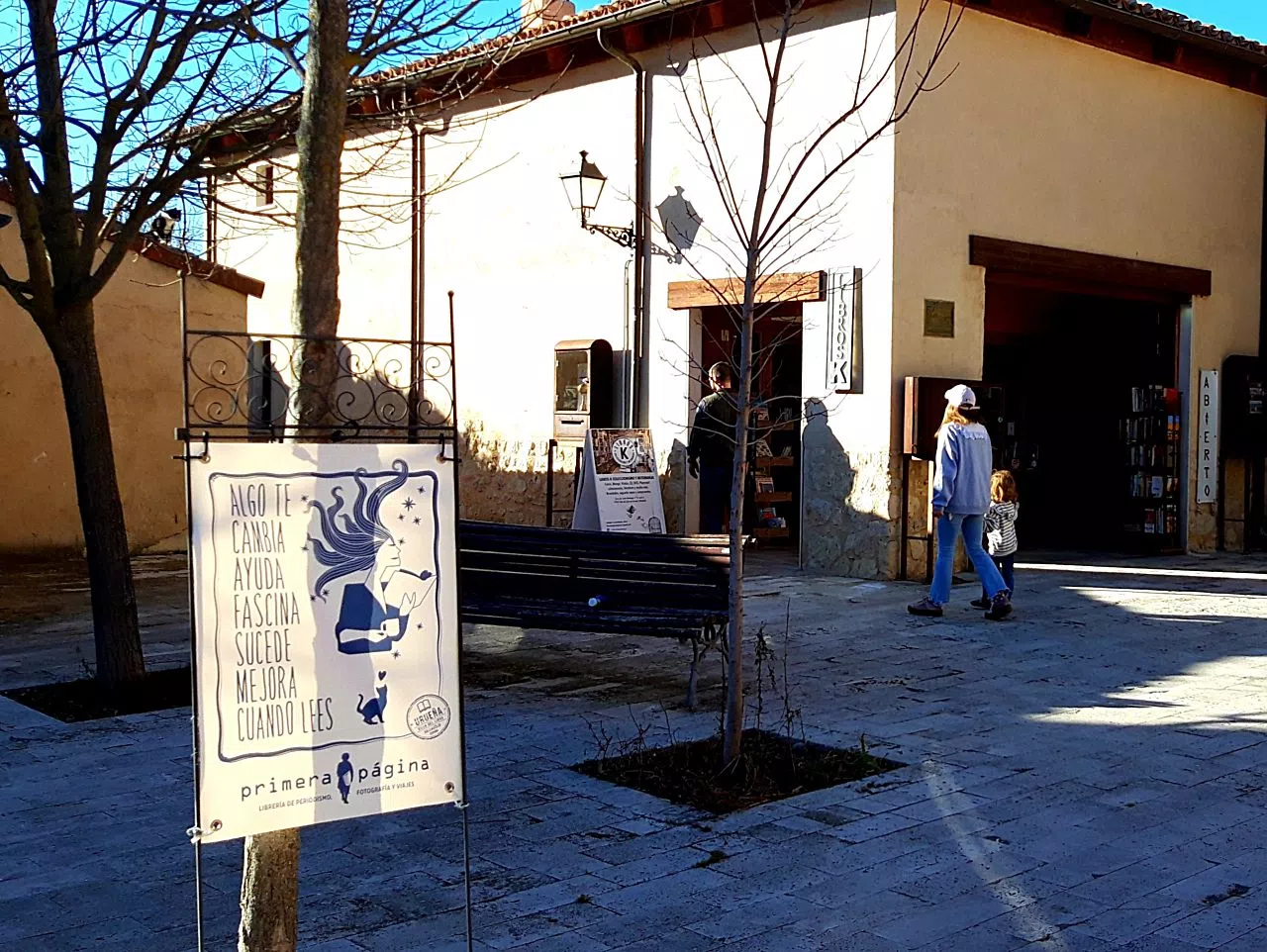
The Villa del Libro in Urueña is a meeting place for anyone who loves reading.  
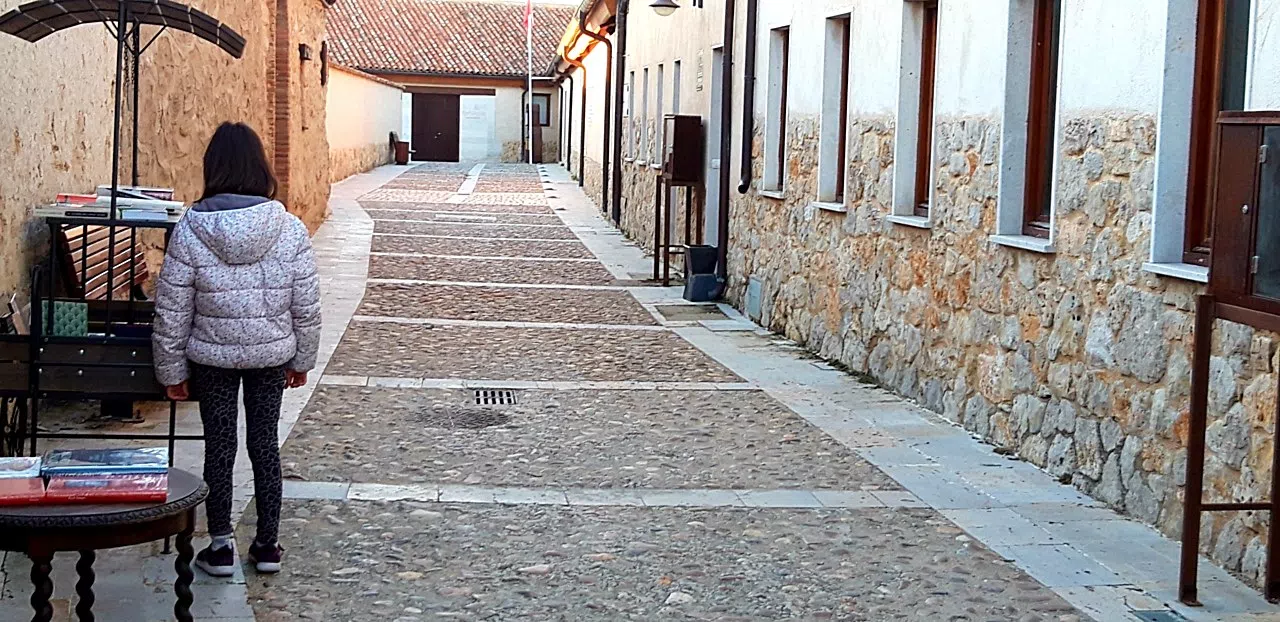
The Villa del Libro spreads across its streets and squares with 9 bookstores, each specializing in a different theme, some with second-hand books, others with out-of-print books, etc., all sharing the unmistakable setting provided by this beautiful medieval village.  
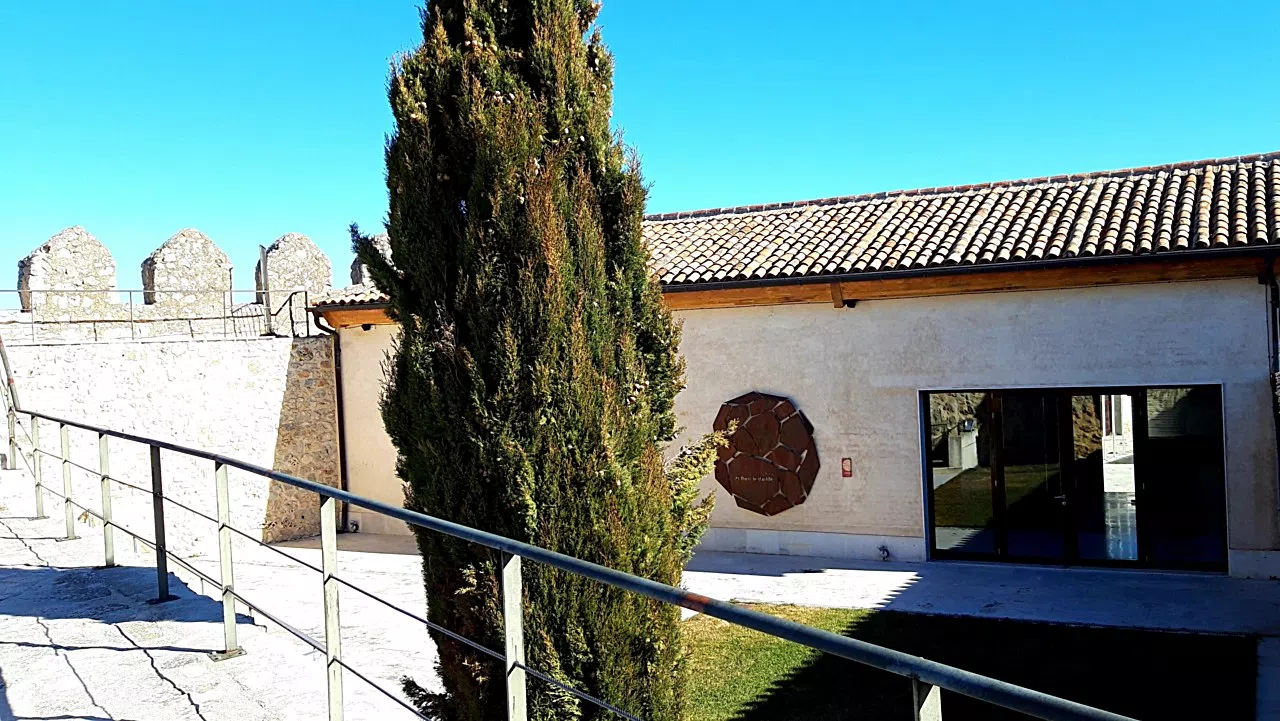
Another very important part of the Villa del Libro is the Miguel Delibes Center, which boasts 1300 m2 (within the incomparable setting of the wall), accommodating a permanent exhibition, a temporary exhibition, workshops, and an auditorium where cultural events such as book presentations, poetry recitals, and conferences are held, etc.
Pozolico
03

Wall and Castle

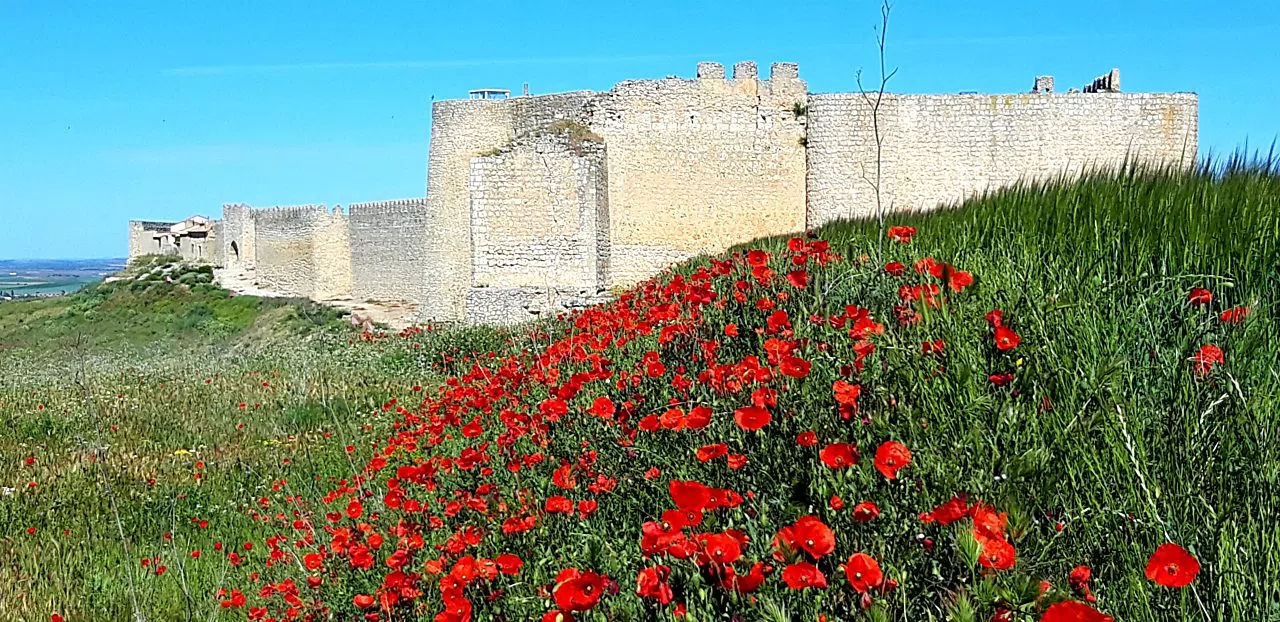
Both the wall and the castle of Urueña are closely related to the strategic importance of the location, giving it a distinctive appearance and personality. The wall retains most of its perimeter, is made of masonry, and features semicylindrical towers at intervals. It has two gates, the Azogue Gate and the Villa Gate. The castle preserves almost intact its enclosure of masonry and ashlar, with cylindrical towers also at intervals, and is situated at one of the corners of the wall. The construction date of both structures seems to be around the 14th century. The parish church of Santa María del Azogue in Urueña, of excellent stonework, was built between the 16th and 18th centuries. It consists of a single nave covered with wood and a large polygonal apse covered with a barrel vault with lunettes. It has a wooden choir at the back, supported by Ionic columns and decorated with dentils. The main altarpiece is Baroque and is presided over by the titular figure, the Immaculate Conception, following an iconographic typology typical of Gregorio Fernández.

Casona del Mayorazgo
Pozolico
04

JOAQUÍN DÍAZ FOUNDATION

Next to this parish church and occupying the space of an excellent noble house known as the "Casona del Mayorazgo" is the Joaquín Díaz Ethnographic Center. This center organizes cultural activities always related to its different and varied museum facilities, which include collections of musical instruments, toys, a library, etc. Nearby, you can also admire the Museum of Bells, the only one of its kind in Europe, where you will see pieces of this acoustic signaling model ranging from the 15th to the 19th centuries. The Mercedes Rueda Archaeological Classroom completes the cultural tour of this welcoming village of Urueña, where we can get an idea of the most remote past of the region.
Pozolico
05

Monastery of La Santa Espina and San Cebrián de Mazote

Monastery of La Santa Espina
The Monastery of La Santa Espina is located in a beautiful valley surrounded by trees. The monumental complex is of enormous beauty and elegance. It is surrounded, as in other cases, by beautiful gardens that make the visit more pleasant.

The Cistercian foundation was established in the mid-12th century, during the time of Emperor Alfonso VII. The oldest parts, of Romanesque tradition, are, however, from the 13th century.

San Cebrián de Mazote
As a reminder of the numerous Mozarabic communities that settled to repopulate the northern basin of the Duero around the 10th century, San Cebrián de Mazote has preserved to this day one of the most representative jewels of Mozarabic art. The Mozarabic Basilica of San Cebrián de Mazote is one of the most important monuments of this style on the peninsula.
Pozolico
06

Villagarcía de Campos

The Church where the Museum of Sacred Art of Villagarcía is located was commissioned by Magdalena de Ulloa, after the death of her husband, D. Luis de Quijada, lord of Villagarcía and a trusted man of Emperor Charles V. The church is linked to the Society of Jesus.

The clock tower and the old sacristy of the chaplains make up the actual Museum, which houses a wide variety of liturgical ornaments, relics, sculptures, pieces of goldsmithing, paintings, etc.

The reliquary chapel, the main Sacristy, and the novitiate chapel allow visitors to observe the importance of Castilian Baroque sculpture, as well as appreciate the change that the Counter-Reformation brought to Spanish art.
Pozolico
07

Nature from Urueña

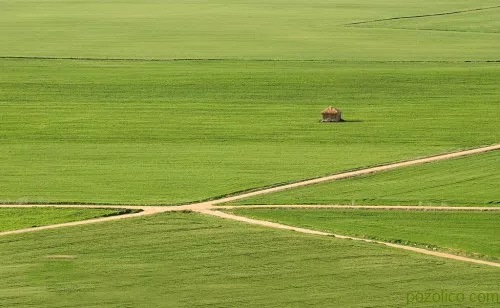
The walled village of Urueña is perched on a hill at the foothills of the Montes Torozos, overlooking a vast terrain that makes it unique. These mountains form a relict relief that acts as a hinge between the Valladolid countryside and one of Spain's most prestigious regions (Tierra de Campos), offering an endless cereal steppe ecosystem of singular global importance.

Despite the extremely flat configuration of the entire province, Urueña is situated in a privileged location at an altitude of 832 meters, providing unparalleled views along its entire perimeter.

In its mountains, we can find forests populated with holm oaks, pines, and oaks, making it an important reserve of game resources.

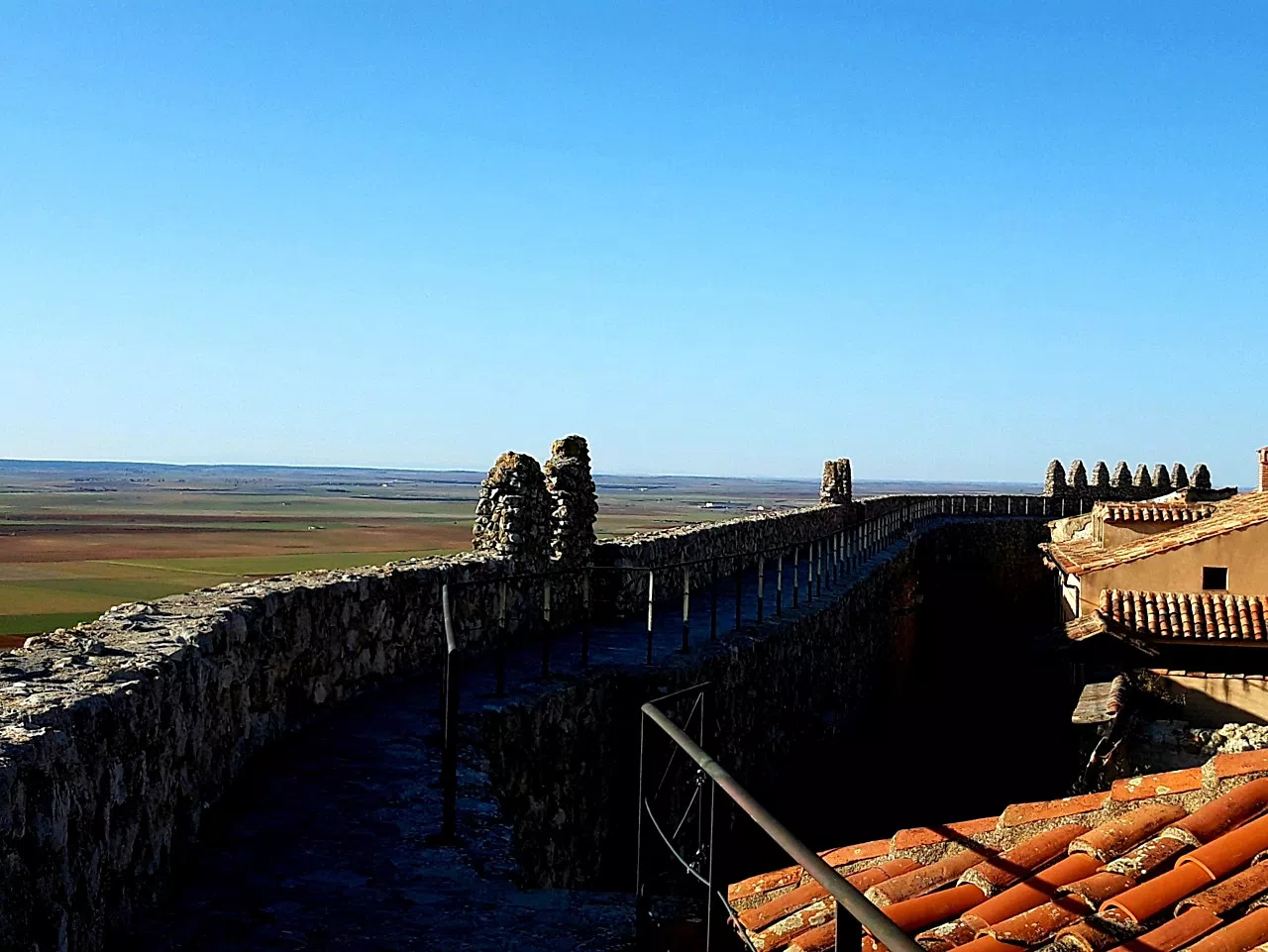
From the northwest parapet of the wall, visitors can gaze upon the immense plateau plain, with the Sierra de La Culebra visible to the east on clear days, or the Montes de León to the northwest, with Teleno as its highest peak. The intense colors of the sunsets that can be enjoyed from there are particularly noteworthy.

Book now

Best price and exclusive offers
Direct deal and no intermediaries
Priority for the best rooms